.webp)

Political Instability in Pakistan and Its Impact on Youth: Living in Uncertainty
Introduction
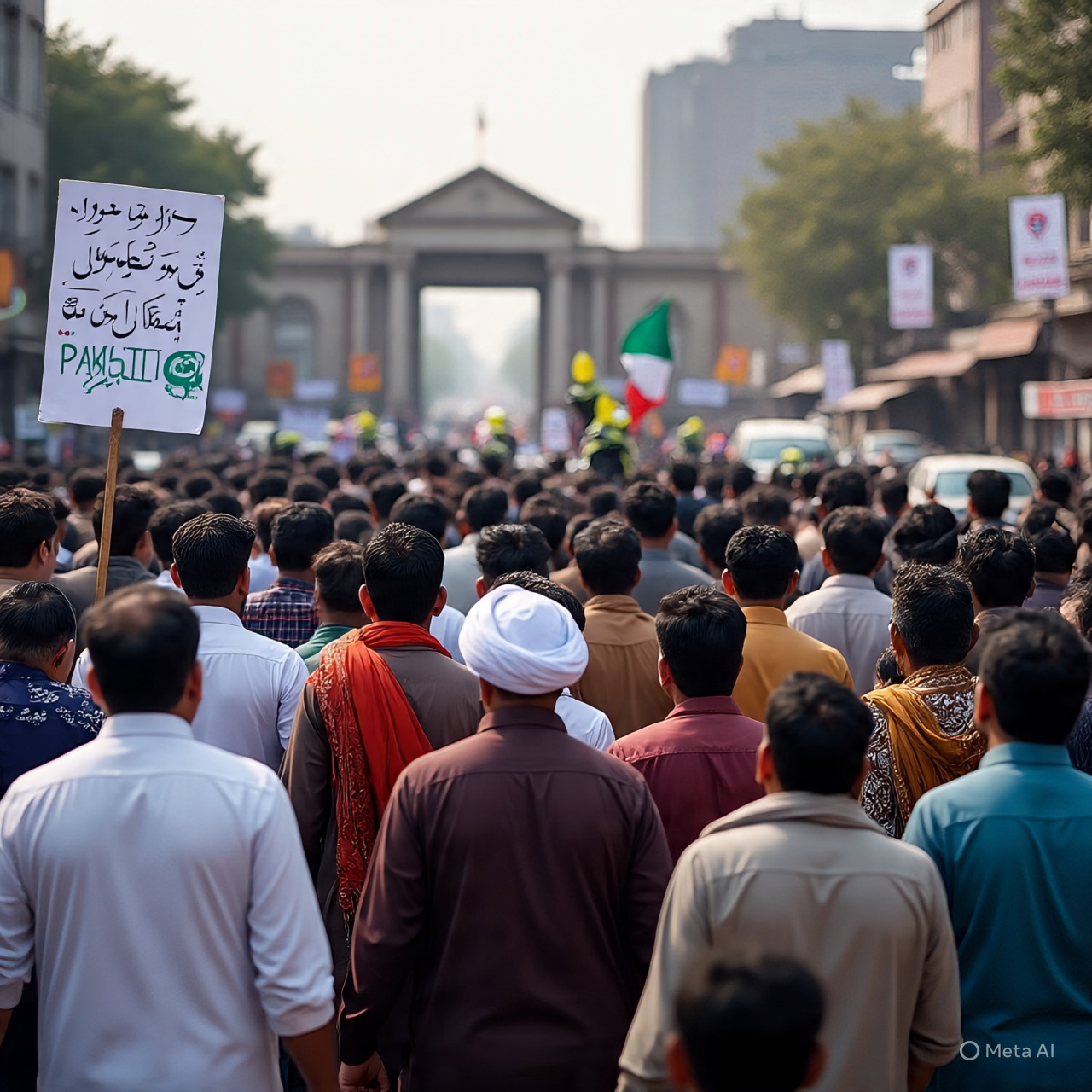
Political upheaval, frequent government changes, rallies, strikes, and societal unrest have all been commonplace in Pakistan for a long time. Political instability has significant and wide-ranging psychological repercussions, particularly on young people, even though it is frequently examined in terms of governance, the economy, or law and order.
A significant section of Pakistan's population is young, and they are especially vulnerable to uncertainty. The stability of their surroundings has a significant impact on their early years, professional choices, and social lives. Youth experience worry, disappointment, and concern for the future due to the unpredictable environment created by political turmoil.
This blog examines the relationship between Pakistan's political unrest and the mental health of its youth, emphasizing the reasons behind it, its psychological effects, and possible ways to lessen its effects.
1. The Reality of Political Instability in Pakistan
Political instability in Pakistan manifests in multiple forms:
- Street protests, strikes, and violent demonstrations
- Frequent government changes and policy shifts
- Corruption scandals and judicial controversies
- Media polarization and misinformation
- Regional conflicts and security threats
Stability is elusive for young people growing up in this setting. Not only do they see the chaos in newspapers and social media, but they also see its real-world consequences. Strikes disrupt schools and universities, job opportunities decline due to economic volatility, and civic upheaval threatens personal safety.
A persistent feeling of uncertainty develops from regular exposure to such conditions. This uncertainty becomes internalized, shaping daily behavior, aspirations, and decision-making.
2. Uncertainty and Youth Psychology
Uncertainty is among the most stressful conditions for the human psyche. Since the brain is designed to anticipate and prepare for future events, stress responses intensify when situations become unpredictable.
Prolonged exposure to political unrest among Pakistani youth can lead to:
- Depression: Feelings of hopelessness about personal and national progress
- Decision paralysis: Delaying important life choices due to unpredictability
- Anxiety: Constant worry about safety, education, and employment
- Cognitive overload: Difficulty focusing, planning, or making decisions
Psychologists describe this as chronic stress, a persistent psychological strain caused by ongoing instability rather than a single traumatic event.
3. Socioeconomic Impacts Compounding Psychological Stress
Political instability negatively affects the economy through market volatility, rising inflation, and business closures during strikes or protests. Young people entering the workforce experience these effects most intensely:
- Reduced entrepreneurial opportunities
- Job scarcity and employment insecurity
- Interruptions in education and professional development
Economic stress intensifies psychological distress, creating a cycle where uncertainty fuels anxiety, which then undermines productivity and decision-making.
4. Social Media and Perception of Instability
In the digital age, social media amplifies the effects of political instability. Platforms such as Twitter, Instagram, and TikTok frequently showcase protests, violence, and political debates.
- Emotional responses are intensified through online echo chambers
- News and rumors spread rapidly, often without verification
- Fear, anger, and hopelessness become socially contagious
Continuous exposure to political conflict can cause vicarious trauma, where indirect exposure leads to emotional distress and anxiety.
5. The Identity and Aspirations of Youth
Youth is a critical period for identity development and future planning. Political instability contributes to:
- Role confusion: Difficulty understanding one’s place in society
- Disillusionment with institutions: Declining trust in government, courts, and law enforcement
- Frustration and anger: When peaceful change appears unattainable
Over time, these factors can result in alienation, withdrawal from civic responsibilities, or susceptibility to radical ideologies.
6. Case Studies: Protests and Youth Displacement
Consider a Pakistani city experiencing widespread political protests. Public transportation becomes unreliable, universities shut down, and students miss examinations.
- Increased household tension due to restricted movement
- Academic disruptions and setbacks
- Feelings of helplessness from constant routine interruptions
Repeated exposure to such situations fosters learned helplessness, reducing motivation and weakening mental well-being.
7. Psychological Effects Observed Among Youth
Research and anecdotal evidence from Pakistani universities and counseling centers indicate:
- Depression, including feelings of worthlessness and hopelessness
- Heightened symptoms of generalized anxiety disorder (GAD)
- Irritability and social withdrawal
- Sleep disturbances caused by chronic stress
- Distrust in peers and institutions
As an entire generation grows up with a distorted sense of stability, the cumulative effects threaten both personal well-being and national cohesion.
8. Coping Mechanisms and Resilience
Despite these challenges, young people can develop resilience through effective coping strategies:
- Stress management and mindfulness practices such as meditation and journaling
- Seeking social support from family, friends, and peer networks
- Safe civic engagement through volunteering and youth organizations
- Critical media literacy to limit exposure to distressing misinformation
Educational institutions and NGOs in Pakistan are increasingly introducing counseling services and resilience-building programs to address these needs.
9. Role of Institutions in Supporting Youth
Social, educational, and governmental institutions play a crucial role in reducing the psychological impact of political instability:
- Ensuring educational continuity during political disturbances
- Improving access to mental health services
- Providing safe channels for civic participation
- Raising awareness about psychological well-being
These measures help restore a sense of control and hope among young people despite external instability.
10. Long-Term Implications for the Nation
If political instability affecting youth remains unaddressed, Pakistan may face:
- Reduced workforce productivity and creativity
- Increased social stress and mental health disorders
- Declining participation in democratic processes
- Greater vulnerability to extremism and social exclusion
Conversely, prioritizing youth mental health can foster a resilient generation capable of navigating uncertainty and contributing to national progress.
11. Recommendations
A comprehensive approach is necessary to support young people amid political unrest:
- Mental Health Infrastructure: Expand counseling centers and online support resources
- Educational Continuity Plans: Minimize disruptions to exams, courses, and career pathways
- Youth Engagement Programs: Encourage constructive social and political participation
- Awareness Campaigns: Promote critical thinking and coping strategies
- Media Responsibility: Reduce sensationalism and encourage ethical journalism
- Parental Guidance: Equip families with tools to support youth mental health
Implementing these strategies can ease psychological burdens and nurture a hopeful, resilient generation.
Conclusion
Political instability in Pakistan extends beyond governance and policy, deeply affecting the psychological and emotional well-being of its youth. Persistent uncertainty, stress, and disillusionment shape young people’s thoughts, emotions, and behaviors.
With awareness, support systems, and proactive intervention, resilience can be cultivated. Mental health services, civic engagement, and educational continuity can empower youth to endure uncertainty without losing hope.
Ultimately, Pakistan’s future depends not only on political stability but also on the mental and emotional health of its young population. Investing in youth well-being today is an investment in the nation’s long-term stability, prosperity, and progress.