.webp)

Seasonal Depression: Understanding the Winter Blues and Finding Your Way Through Them
Understanding How the Brain Shapes Thoughts, Emotions, and Actions
Introduction
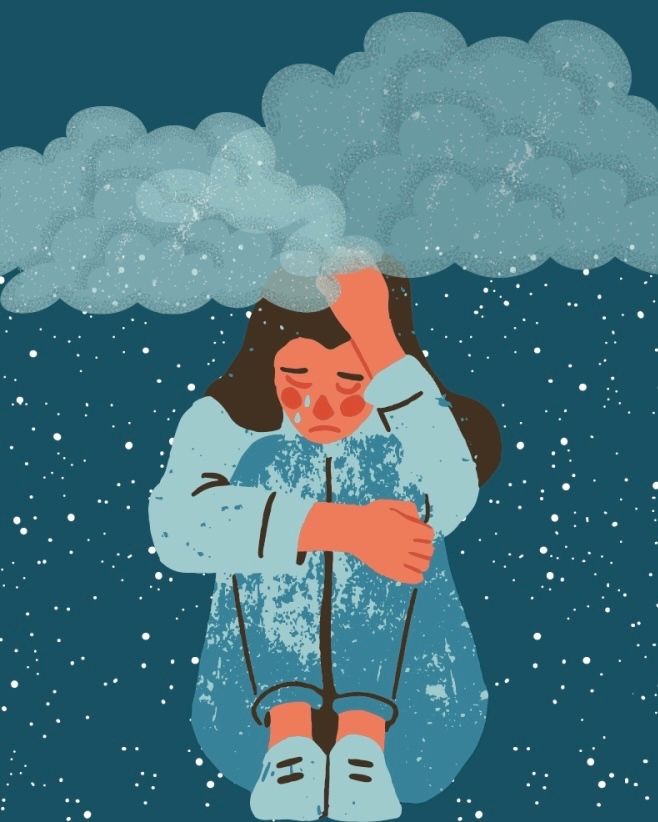
As winter arrives, with fewer days, harsh winds, and long nights, many individuals find themselves slowing down. For some, the seasonal transition feels comforting—warm tea, soft blankets, and the quiet stillness of winter. For others, however, winter brings an emotional heaviness that feels difficult to overcome. This is not simply a brief low mood; it can be a serious and recognized mental health condition known as Seasonal Affective Disorder (SAD), also called seasonal depression.
While winter carries its own beauty with peaceful mornings and muted skies, it can also be physically and emotionally demanding. Shorter days and reduced sunlight disrupt the body’s internal rhythms, often influencing mood and energy levels. This article explores what seasonal depression is, why it occurs so commonly in winter, and how practical strategies can help manage its effects.
What Is Seasonal Depression?
Seasonal Affective Disorder is a type of depression that typically appears in late fall or winter and improves during spring or early summer. Many individuals notice a recurring pattern in which motivation, energy, and mood decline as winter approaches and gradually lift as daylight increases.
Seasonal depression is not caused by personal weakness or lack of effort. It results from biological and environmental changes that affect brain chemistry and the body’s natural rhythms. Reduced sunlight disrupts circadian rhythms and influences melatonin and serotonin levels, which play key roles in sleep regulation, mood stability, and emotional balance. SAD is recognized in the DSM-5 as a form of major depressive disorder with a seasonal pattern.
Why Does Winter Trigger Seasonal Depression?
Several environmental changes during winter significantly affect the brain and body. The most influential factor is reduced exposure to natural sunlight. Sunlight directly affects serotonin, a neurotransmitter responsible for regulating mood. As daylight decreases, serotonin levels may drop, increasing vulnerability to low mood and irritability.
At the same time, the body produces more melatonin, the hormone responsible for sleep. This increase can lead to fatigue, sluggishness, and excessive sleepiness. Disruptions to the internal biological clock may make it harder to wake up, maintain a consistent sleep schedule, and stay energized throughout the day.
Beyond biological changes, winter also alters daily routines. Cold weather often leads to reduced social interaction and outdoor activity. Increased isolation can intensify feelings of loneliness and emotional withdrawal. Additionally, vitamin D levels tend to drop during winter due to limited sun exposure, which has been linked to depressive symptoms. Lifestyle changes such as increased screen time, reduced physical activity, and comfort eating can further influence mood.
Common Symptoms of Seasonal Depression
Seasonal depression often presents with noticeable and persistent symptoms. These may include:
- Ongoing low mood lasting several weeks
- Loss of interest in activities once enjoyed
- Low energy and persistent fatigue
- Difficulty waking up and oversleeping
- Increased appetite, particularly for carbohydrates
- Irritability and emotional sensitivity
- Social withdrawal and reduced motivation
- Difficulty concentrating or mental fog
When these symptoms appear consistently during winter and resolve in spring, a seasonal pattern may be present.
Seasonal Depression in the Present Winter Season
As the current winter season unfolds, many individuals notice familiar emotional changes. Early sunsets, long nights, and cold mornings can subtly influence mood, even in regions with milder winters. For some, winter also intensifies holiday-related stress or feelings of loneliness.
Understanding the connection between seasonal changes and emotional well-being allows individuals to approach winter with self-awareness rather than self-criticism. These emotional shifts are often normal responses to environmental changes, not personal shortcomings.
Practical Remedies to Manage Seasonal Depression
Although seasonal depression can be challenging, it is highly manageable with consistent and intentional strategies.
Increasing exposure to natural light is one of the most effective approaches. Spending time outdoors in the morning, sitting near windows, or keeping curtains open can help regulate the body’s internal clock. In areas with limited sunlight, light therapy using SAD lamps that simulate daylight can be highly beneficial.
Maintaining a consistent daily routine helps stabilize mood and energy. Regular sleep and wake times, structured meals, and planned daily activities create emotional balance during winter.
Physical activity plays a vital role in mood regulation. Even gentle movement such as stretching, walking indoors, or short home workouts can boost serotonin and endorphin levels while reducing fatigue.
Nutritional support is equally important. Maintaining balanced meals and addressing potential vitamin D deficiencies—under medical guidance—can support energy levels and emotional stability. Limiting excessive sugar and processed foods also helps regulate mood.
Healthy sleep habits contribute significantly to emotional well-being. Reducing screen time before bed, maintaining a calm sleep environment, and following a regular nighttime routine can improve sleep quality during winter.
Staying socially connected helps counteract isolation. Even small interactions such as phone calls, brief meetups, or group activities can reduce loneliness and emotional withdrawal.
Mindfulness practices such as journaling, deep breathing, gentle yoga, or meditation can calm the nervous system and reduce stress.
When symptoms feel overwhelming, seeking professional support can be transformative. Therapy provides tools for managing negative thoughts, understanding emotional triggers, and maintaining balance throughout the winter. Seasonal depression responds well to early intervention.
A Gentle Reminder for This Winter
Seasonal depression does not define who you are. Feeling the emotional weight of winter is a natural response to environmental changes that deeply affect the human body and mind. The most important step is recognizing symptoms and responding with compassion rather than judgment.
Winter can be seen as a period of quiet restoration. Just as nature slows beneath the frost, your body is adjusting to a seasonal shift. Fatigue does not mean failure, and sadness does not reflect weakness. These experiences are temporary and will give way to brighter days.
Allow yourself to rest, move gently, and care for your emotional well-being. Light will return. Warmth will return. Energy will return—and so will you.